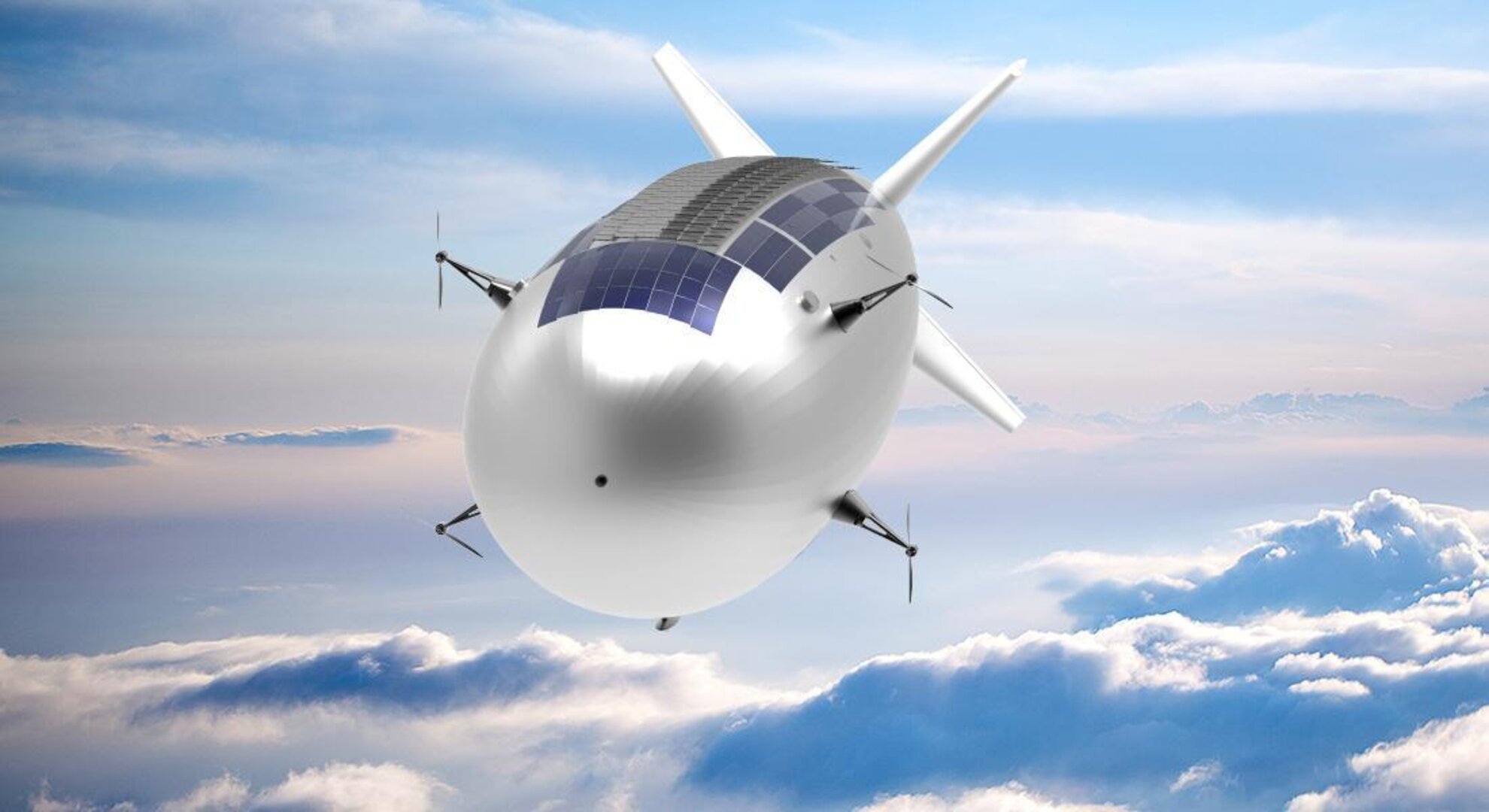
High Altitude Platform Stations, or HAPS, sit in a fascinating space between aviation and space infrastructure. They are aircraft-like platforms operating in the stratosphere, designed to stay above conventional traffic and provide persistent coverage over large areas. They can support broadband connectivity, backhaul, Earth observation, disaster response and monitoring missions.
Why HAPS are different
A drone usually covers a local mission. A satellite covers a huge area from orbit. HAPS sit between those two layers: close enough to Earth to deliver high-resolution services, but high enough to remain above most weather and conventional air traffic. That makes them attractive for remote connectivity, emergency communications, border monitoring, maritime awareness, agriculture and environmental observation.
Where AI fits into the HAPS model
AI can help HAPS platforms become more than flying antennas. It can optimise station-keeping, predict wind and energy conditions, manage solar and battery cycles, prioritise payload tasks, detect anomalies, and dynamically allocate communication capacity. In a multi-platform network, AI can decide which platform should serve which region, when to hand off traffic, and how to preserve service during degraded conditions.
HAPS as resilient infrastructure
The strongest argument for HAPS is resilience. When terrestrial infrastructure is damaged by floods, fire, conflict or power failures, a stratospheric platform can provide temporary connectivity or observation without waiting for ground networks to be restored. This makes HAPS relevant not only to telecom operators, but also to emergency planners, aviation authorities and smart-city infrastructure teams.
The aviation challenge
HAPS may operate above regular traffic, but they still need aviation-grade safety thinking. Launch, climb, descent, recovery, command links, spectrum coordination and cross-border operations all require governance. AI can support these processes, but it cannot replace certification, oversight or clear operational responsibility.
A new layer for digital aviation
For AI in aviation, HAPS are a powerful example of how the sky is becoming layered. Low-altitude drones need UTM. Conventional aircraft need ATM. Satellites provide orbital services. HAPS add a stratospheric layer that can connect, observe and support the layers below. The opportunity is not only the aircraft itself, but the intelligent network created around it.
For panka.pl, HAPS are worth tracking because they connect several strategic themes at once: aviation autonomy, telecommunications, Earth observation, emergency resilience, spectrum policy and AI-driven infrastructure management.