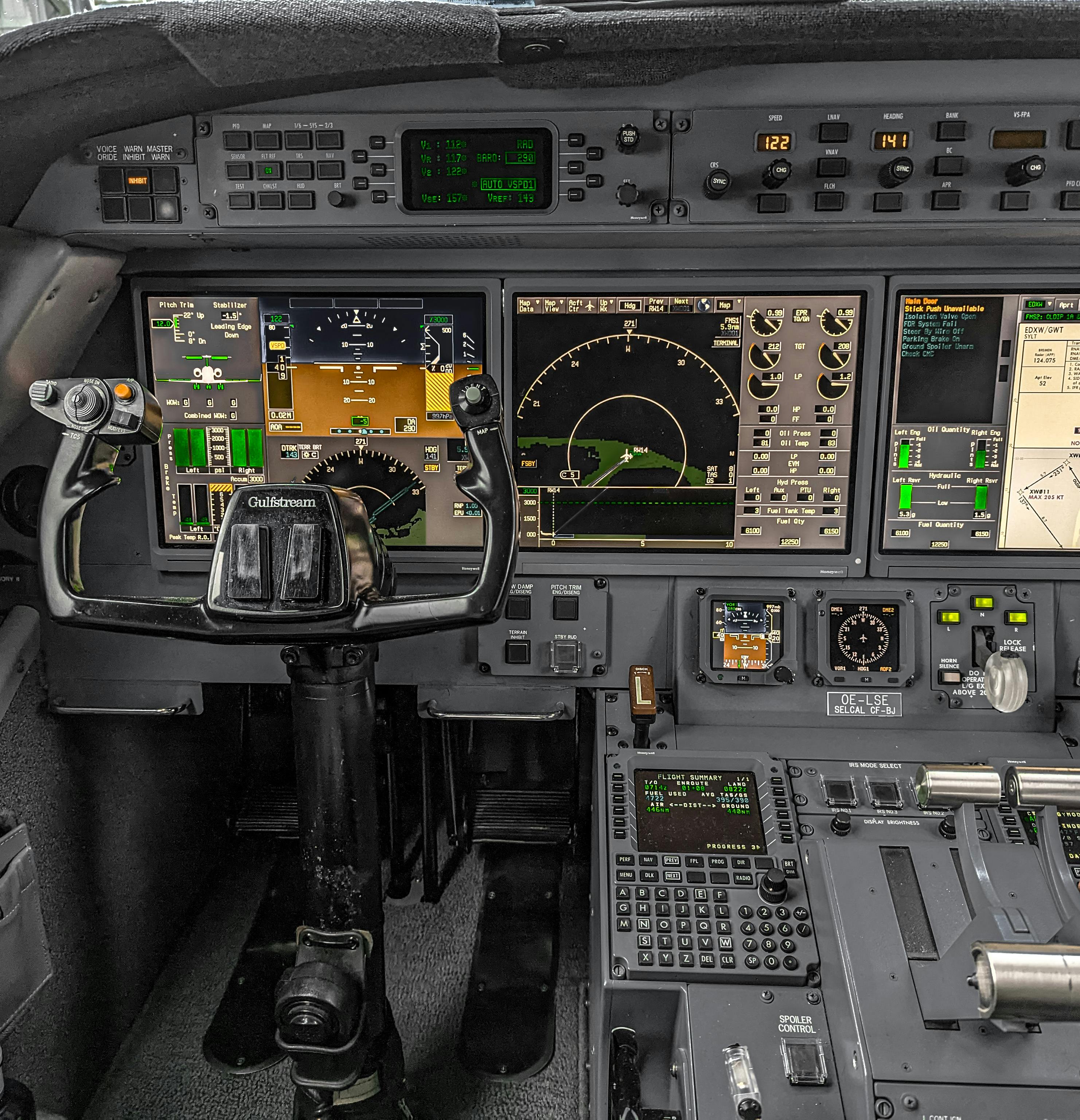
SERA, the Standardised European Rules of the Air, is one of the foundations of European aviation operations. It creates a common rulebook for how aircraft operate in European airspace, how pilots apply visual and instrument flight rules, how traffic is separated, how flight plans are handled, and how aircraft communicate with air traffic services.
Why SERA exists
Before harmonisation, rules of the air could vary between European States in ways that made cross-border flying more complex. SERA was introduced to create a more consistent operating environment across Europe. Its purpose is not to remove national responsibility, but to establish a common baseline so that pilots, operators, air navigation service providers and authorities work from the same core rules.
This matters because airspace does not stop at national borders. A flight may depart one State, cross several flight information regions and land in another State on the same day. Common rules reduce ambiguity and make the system safer, more predictable and easier to train.
What SERA covers
SERA is much broader than a simple VFR or IFR checklist. It covers pilot responsibilities, protection of persons and property, minimum heights, cruising levels, collision avoidance, right-of-way, aircraft lights, aerodrome movement, signals, flight plans, VMC minima, VFR, special VFR, IFR, airspace classification, air traffic services, air traffic control clearances, flight information service, alerting service, emergency procedures, transponder operation, voice communication and data-link communication.
The pilot-in-command remains central
One of the most important principles in SERA is that the pilot-in-command remains responsible for the operation of the aircraft. Even when air traffic control, flight information services, electronic conspicuity, ACAS or other digital tools are available, the pilot is still expected to act in the interest of safety.
This is a key point for modern aviation. More systems are becoming automated and connected, but SERA keeps responsibility clear. Technology supports the flight, but it does not remove the need for judgement, vigilance and decision-making.
Collision avoidance and right-of-way
SERA defines the basic logic of collision avoidance. Aircraft should not be operated so close to each other that a collision hazard is created. When aircraft converge, approach head-on, overtake or land, SERA provides right-of-way principles that pilots can apply consistently.
The rule is simple in concept but critical in practice: the aircraft with right-of-way should normally maintain heading and speed, while the aircraft required to give way should avoid passing over, under or in front of the other aircraft unless well clear. In a head-on situation, both aircraft alter course to the right. When overtaking, the overtaking aircraft keeps out of the way until entirely past and clear.
VFR, IFR and weather minima
SERA defines the operating framework for both visual flight rules and instrument flight rules. VFR depends on visual meteorological conditions, visibility, distance from cloud and the pilot’s ability to remain clear of terrain, obstacles and other traffic. IFR depends on instrument procedures, aircraft equipment, minimum levels, clearances and communication with air traffic services where required.
This distinction matters because VFR and IFR are not just labels. They represent different ways of managing flight risk. VFR places strong emphasis on visual reference and see-and-avoid. IFR places strong emphasis on instrument navigation, procedural separation and controlled interaction with the air traffic system.
Flight plans and operational intent
SERA also defines when and how flight plans are submitted, changed, accepted and closed. A flight plan is more than administrative paperwork. It is a structured declaration of operational intent. It tells the air traffic system who is flying, where the aircraft is going, what route is planned, what equipment is carried and what services may be required.
In a digital aviation environment, flight-plan quality becomes even more important. Incorrect equipment codes, wrong endurance information, outdated routing or late changes can create operational friction. For IFR flights, controlled flights and cross-border operations, the flight plan becomes a core data object in the network.
SERA and airspace classes
SERA uses airspace classification to define what services and requirements apply in different parts of the sky. Controlled airspace, uncontrolled airspace, radio mandatory zones, transponder mandatory zones and U-space airspace all create different obligations for pilots and operators.
For example, some airspace requires two-way radio communication. Some requires a functioning transponder. U-space airspace introduces the requirement for certain manned aircraft to make themselves electronically conspicuous to U-space service providers when they are not receiving air traffic control service.
Why SERA matters for drones and U-space
SERA is not only relevant to traditional manned aviation. It is increasingly important for the future of U-space and unmanned operations. Mixed airspace requires common rules, common visibility and common assumptions. Drones, manned aircraft, U-space service providers and air traffic services all depend on predictable behaviour.
Electronic conspicuity is a good example. In U-space, manned aircraft may need to be electronically visible to U-space service providers. This connects traditional rules of the air with digital traffic management. It also shows that the future of SERA is not only about paper procedures, but about trusted data exchange in real time.
SERA does not replace national information
SERA creates a European baseline, but pilots still need to use national aeronautical information publications, local procedures, NOTAMs, airspace reservations, restricted areas, military activity information and competent-authority requirements. Local aerodrome rules and national provisions still matter, especially for VFR operations, night VFR, special operations and local airspace procedures.
Why SERA is important for safety culture
The value of SERA is not only legal. It is cultural. It gives pilots and aviation organisations a shared operating language. Everyone understands the same concepts: flight rules, right-of-way, minimum heights, clearances, flight plans, communication watch, emergency procedures and transponder use.
In complex aviation systems, shared language is safety infrastructure. When a pilot, controller, operator and regulator interpret a situation using the same rule framework, the risk of misunderstanding is reduced.
Conclusion
SERA is the common grammar of European airspace. It defines how aircraft behave, how pilots decide, how traffic is coordinated and how safety is preserved across borders. It also provides the bridge between traditional aviation and new digital airspace concepts such as U-space and electronic conspicuity.
For panka.pl readers, the key takeaway is simple: SERA is not just regulation. It is the operational logic that keeps European airspace predictable. As aviation becomes more connected, automated and mixed with drones, this shared rulebook becomes even more important.